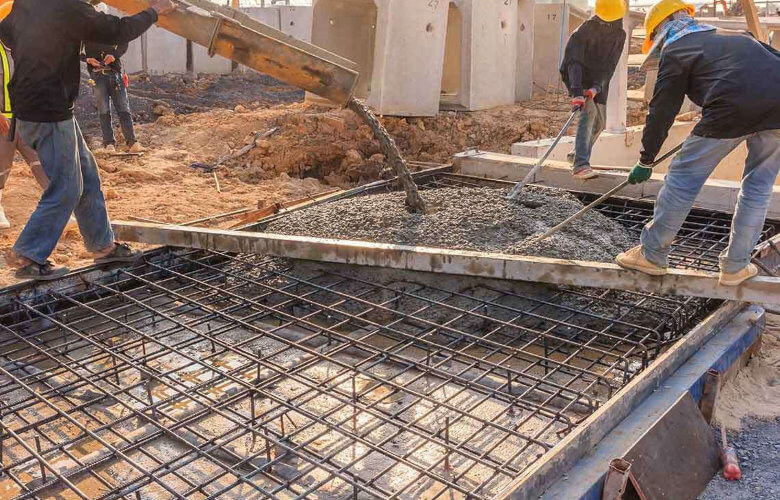
If you are looking for information on how a construction framework works, you have come to the right place. In this article, you will learn about the Structure, Contractual nature, and Competitive nature of the construction framework. Once you understand these basics, you will be able to negotiate an agreement that suits your needs and budget. Check the more info formwork here.
Structure of a construction framework
The framework of a construction project consists of a series of structural elements. A frame is composed of two main components, a horizontal member and a vertical member. The horizontal members are joists and floor materials. The connections between these components are described in detail. There are also intermediate walls.

The structural frame members of a construction project are made from a composite material, such as wood. These parts may have a castellated, turreted, or step-like shape. They are connected to each other by continuous corrugated web parts. These components provide the basic framework with useful versatility and allow other components of the building to be attached to the framework.
The vertical pillar or column units in a multi-storey building are supported by horizontal cross-members, which extend between them and rest on the top of them. The cross-members in the lower storey are used to support the pillar or column units of the next higher store. These two components of the framework work together to form the entire building structure.
Contractual nature of a construction framework
The contractual nature of a construction framework is critical to the success of a construction project. It distributes risk and reward equally among the various parties involved, including the owner, designer, and builder. It also includes incentives that encourage contractors and owners to work efficiently and complete a project on time.
Framework agreements are popular in the construction industry, and they set out the terms and conditions of a long-term relationship with suppliers. These agreements can be either loosely defined or very formal. However, they are useful in several ways, and one important aspect is that they can streamline the tender process and keep costs down.
In addition to setting the expectations of the parties, the contract should also set up a communication system. This can take the form of periodic check-ins or significant changes in the project. This is critical in a construction project, because there are so many moving parts. Having a contract that clearly defines how and when to communicate is essential to a construction project’s success.
Competitive nature of a construction framework
The competitive nature of a construction framework can be defined as the measure of a construction firm’s performance. It measures a range of metrics, such as cost, schedule, quality, safety, and profitability. It also measures the satisfaction of the project team and the client. This paper presents a framework for measuring performance that is based on a comprehensive approach to construction.
The framework uses systems thinking to study the construction industry. It identifies key stakeholders and systems of the construction industry. The constructs identified for the study are then modeled into a conceptual framework, or maturity framework. These constructs are then transformed into variables, or measurements, which can be used to assess the maturity of the construction industry.
One of the challenges of the construction industry is that of project execution. This process is often plagued by low productivity, delays, and cost overruns.