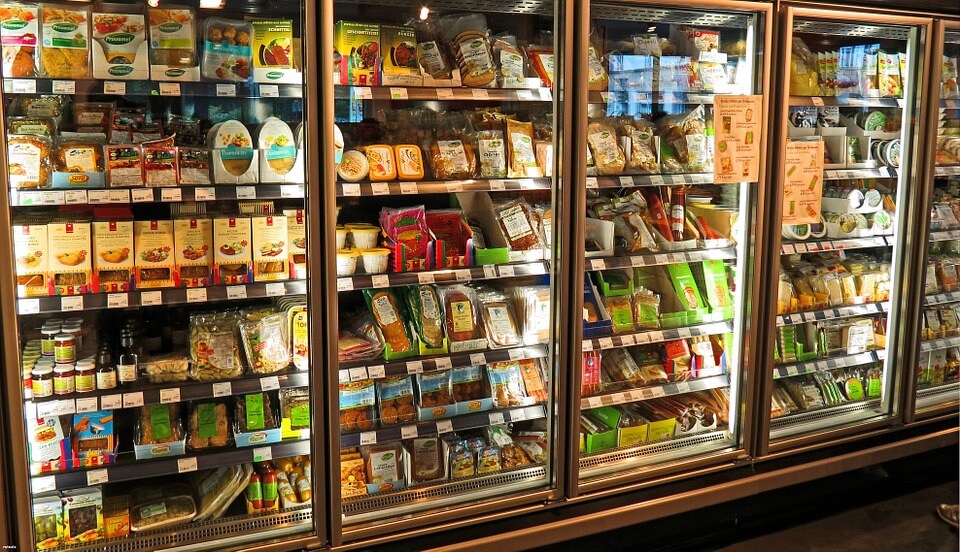
Commercial refrigerators offer many advantages to the business owner. They can store more goods, are more energy efficient, and are relatively easy to maintain. But there are also some downsides to commercial refrigerators. These are discussed below. Despite their downsides, Commercial refrigerators are still a good choice for many businesses.
Disadvantages of commercial refrigerators
Despite their advantages, commercial refrigerators also have some disadvantages. For example, they tend to be noisier than domestic refrigerators, and they can be expensive to operate. They are also much larger than domestic models and can be difficult to transport. As a result, they require more maintenance and can be more expensive to hire a technician to fix than domestic models.

Some of these refrigerators are not very efficient. They don’t retain as much heat as other types of refrigerators, and they can even end up spoiling your food. They also can hurt the environment. These refrigerators often use the chemical chlorofluorocarbon, which damages the ozone layer of the earth. Moreover, their prices are very high.
Energy efficiency
Commercial refrigerator efficiency standards have been introduced in California. This is the first step in establishing a national energy efficiency standard for commercial refrigerators. The standards were negotiated between manufacturers and efficiency advocates and took effect in 2010. The Energy Policy Act of 2005 directed the DOE to update the initial standards and expand their scope. The finalized standards are expected to save businesses as much as $12 billion per year.
Energy efficiency is a major consideration for any commercial refrigeration system. In addition to reducing energy consumption, commercial refrigeration equipment must also maintain specific temperatures despite frequent door openings and door closings. Commercial refrigerators that earn ENERGY STAR certification are 20 percent more energy-efficient than standard models. The increased efficiency is due to ENERGY STAR components, which reduce the cooling system’s energy consumption.
Increased storage capacity
Commercial refrigeration equipment manufacturers are now able to provide increased storage capacity. In response to client demand, True Residential, a luxury home refrigeration brand with commercial DNA, has unveiled a new initiative: a line of large-capacity commercial refrigerators. This initiative, which comes in the midst of the Covid-19 crisis, is an innovative response to the need for cold storage solutions in commercial establishments.
The need for increased storage capacity is becoming a common demand for commercial refrigerators, especially those with multiple doors. With the rise in popularity of school breakfast and lunch programs, restaurant operators have found the need for additional storage space to meet their needs.
Easy to maintain
One of the best ways to prolong the life of your commercial refrigerator is to perform regular maintenance checks. This not only helps to keep the food safe, but also improves the performance of your equipment. Keeping your refrigeration equipment clean and well-maintained will also prevent costly breakdowns and lower energy bills. Additionally, regular maintenance will prevent food from contaminating your freezer.
Commercial refrigerators require a little more maintenance than your home refrigerator. While you’re cleaning them, make sure you clean the area around the units to avoid mold, bacteria, and rust. Clean the top and bottom of the unit and use a damp cloth to wipe down any surfaces that have become grimy. Use a highly absorbent microfibre cloth for maximum effectiveness.
Cost
The cost of commercial refrigerators can vary significantly, depending on their size and design. A standard unit can cost up to $1,500, while two-door units can cost up to $4,000 or more. Unlike residential refrigerators, commercial units need electrical and duct upgrades to work efficiently. There are also a variety of other options, including under-counter and work-top refrigeration systems. A through-the-wall refrigerator is also available, but these units use less electricity and are only effective for small spaces. Consequently, they tend to be more expensive.
Commercial refrigerators are often larger than their residential counterparts, and therefore require a larger amount of materials and labor. In addition, they must be able to withstand the busy environments of a commercial kitchen. Whether you’re running a fast-food restaurant or a food business, a commercial fridge is a vital part of the business’s operations. In some cases, it may be better to purchase three single fridges rather than one double one, as this will provide more space and be operated at different temperatures.
Leasing a commercial refrigerator
Leasing a commercial refrigerator offers a variety of advantages for businesses, including a tax deduction and guaranteed maintenance and service agreements. It also provides businesses with a cost-effective way to enter the highly profitable refrigeration market without having to make a large upfront investment. In addition, it lets businesses enjoy the benefits of modern refrigeration technology that uses less power to cool food and beverages. This helps businesses increase their sustainability while reducing their utility expenses.
Leasing a commercial refrigerator is beneficial for business owners because it avoids upfront costs and spreads the financial hit over several months. This helps business owners better plan their monthly budgets and retain more cash. Moreover, a commercial refrigerator that is refurbished can almost pay for itself.