
Water damage is a common and often devastating problem that can occur in homes, businesses, and other properties. Whether it is caused by a burst pipe, a leaking roof, or a natural disaster such as flooding, water damage can lead to significant structural damage and pose serious health risks if not addressed promptly. Understanding the causes, effects, and prevention of water damage is crucial for property owners to protect their investments and ensure the safety of occupants.
Water damage can manifest in various ways, including visible signs such as stained walls or ceilings, warped flooring, or mold growth. However, it is important to note that water damage may also be hidden behind walls or under floorboards, making it imperative to address any signs of moisture promptly. Let’s learn more here about the effects of water damage can range from minor inconveniences such as damp carpets or peeling paint to more severe consequences like weakened foundations or electrical hazards. Moreover, prolonged exposure to excess moisture can create an ideal environment for mold growth which poses serious health risks.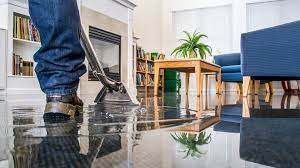
How to Reduce the Risk of Water Damage
Water damage can be a costly and stressful problem for homeowners. Fortunately, there are steps you can take to reduce the risk of water damage in your home. One important step is to regularly inspect and maintain your plumbing system. This includes checking for leaks, repairing any damaged pipes or fixtures, and insulating exposed pipes to prevent freezing during cold weather. Additionally, it is crucial to keep your gutters and downspouts clean and free from debris to ensure proper drainage away from your home’s foundation.
Another effective way to minimize the risk of water damage is by installing a sump pump in your basement or crawl space. A sump pump helps prevent flooding by automatically pumping out excess water that accumulates during heavy rainstorms or when groundwater levels rise. It is also recommended to have a backup power source for your sump pump, such as a battery-operated backup system, in case of power outages.
In addition to these preventive measures, it is important to be proactive in addressing any signs of water damage. If you notice any leaks, stains, or other indications of moisture, it is crucial to investigate and address the issue promptly. This may involve repairing damaged pipes or fixtures, sealing cracks in your foundation or walls, or hiring professionals to assess and mitigate the damage.
Furthermore, it is advisable to have a comprehensive insurance policy that covers water damage. This can provide financial protection in case of unexpected incidents and help cover the costs of repairs and restoration.
Overall, understanding the causes and effects of water damage and taking proactive steps to prevent it can save property owners from significant expenses and stress. By regularly inspecting and maintaining your property’s plumbing system, ensuring proper drainage away from your home’s foundation, installing a sump pump with a backup power source, and promptly addressing any signs of water damage, you can protect your investment and ensure the safety of occupants.