You can install blocks of varying types of pavers on a driveway. Herringbone and basketweave patterns are among the most popular, but you also have the option of choosing a more creative pattern. While a herringbone pattern provides the most interlock, it may not be suitable for heavier traffic areas. You can use another pattern, like an ashlar, if you wish to create a contemporary look. You can also opt for a standard residential limestone driveway, such as a running bond or basketweave pattern. Basketweave patterns, however, should not be used in areas with heavy traffic.

Cobblestone

If you want a rustic look in your driveway, consider installing a cobblestone paved driveway. This driveway type can be installed dry or set in mortar. The installation method depends on the type of stone used, but usually begins with laying guide strings, then excavating 7-10 inches of soil. Next, a layer of compactable gravel is spread over the surface. This compacted soil is then covered with a two-inch layer of sand.
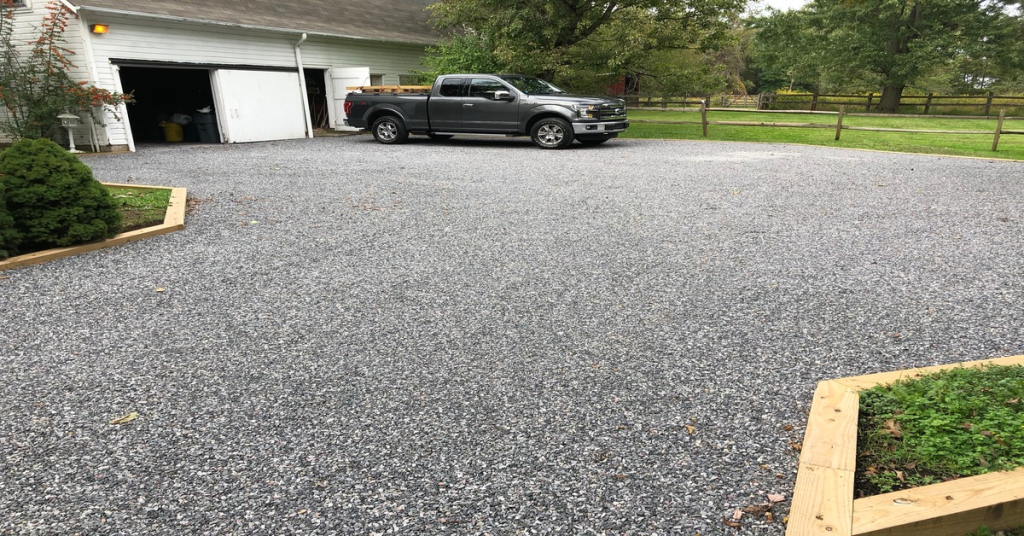
To prepare the surface for laying the cobblestones, prepare the gravel surface and the ground level by measuring from the ground. Subtract this depth from the total depth of the driveway to account for the height of the cobblestones and the sand layer. Pour half of the required gravel into the trench and rake it smooth with a rubber mallet. Repeat this procedure until the paving stones are evenly spaced.

Concrete

When deciding which material to use for your driveway, you should consider what your ultimate goal is. Whether your driveway will be used daily or as a parking lot, patterned concrete or pavers may be a better choice. While block paving may be more affordable, patterned concrete may provide better long-term value. Additionally, a new driveway will improve the value of your home, as well as its comfort level.

Sand-based paving has its drawbacks, such as shifting or uneven surfaces. The sand layer between individual bricks is not tightly compacted, and this can lead to the paving surface shifting over time. Additionally, the joining sediment can be weakened by running water, and weeds can easily grow in sand-based paving. A driveway made of sand is also less stable and can develop a high number of problems.

Brick

When choosing a brick driveway, you should consider several factors. First, consider the color of your home’s siding. For example, if your house is made of wood, you might want to go with lighter brick pavers to help the color blend. However, if your home is made of brick, you may want to avoid brick pavers altogether. The red color will clash with your home’s brick exterior. If this is the case, you might want to consider using grey pavers.

Another thing to consider when choosing the type of bricks is their durability. While bricks are made of natural clays, they can crack, chip, and settle over time. Thankfully, you can easily fix these problems with simple DIY techniques. Clay bricks also tend to last a long time and require minimal maintenance. In addition to being easy to repair, they have a classic look that is classic and timeless.

Filetti

The traditional European stone format Filetti is an excellent choice for your driveway, walkway, or patio. Made from long, thin pieces of stone, Filetti blocks provide a dense, textured surface. This style also works well with both modern and traditional architecture. The style can be used to accent other flooring as well. The Filetti blocks look particularly great when laid as a driveway. To learn more about this paving style, read on.

When choosing a driveway paver, make sure to consider durability and design. Filetti format paving is a traditional stone format found in the European Alps. The dense, linear format makes it suitable for steep inclines, but it can also be used to create a dramatic point of difference. The Endicott project, for example, utilises a soft grey/green palette with a golden sandstone drystone wall. When choosing a driveway paver, Rebecca recommends considering the durability and aesthetics of the surface.

Porphyry split stone

If you’re looking to create a unique and stylish block paving driveway, try using porphyry split stone. This stone is naturally hardwearing and sourced from Northern Italy. Its natural colours and textures make it a great choice for driveways or demanding floor environments. You can choose from a variety of colours and shapes, including grey tones and rich burgundy hues. This stone can be shaped to create an impressive pattern or a traditional brick design.

This igneous stone has the same composition as granite, but contains smaller crystals. Porphyry cooled from a molten state faster and under less pressure than granite. Because of its small crystals, porphyry retains a non-slip property and is ADA compliant. Porphyry is a natural paving option for residential or commercial properties, and its durability and resistance to chemicals make it a good choice for driveways.

Ashcrete

An Ashcrete driveway is a green alternative to traditional concrete. It is made of a material called fly ash, a byproduct of coal mining, combined with limestone and water to create a concrete-like material. Ashcrete is environmentally friendly, reducing carbon emissions and greenhouse gas emissions by up to 60%. Additionally, it contains up to 40% recycled material, reducing costs and energy consumption. Ashcrete is also strong and durable, twice as durable as conventional concrete.

This sustainable, low-maintenance option has several benefits. For example, it is made with fly ash, a byproduct from the burning of pulverized coal in power plants. It is rich in siliceous and aluminous materials that can form cement in the presence of water. When mixed with lime and water, fly ash can improve the strength and segregation of the concrete, making it easier to pump.


RELATED ARTICLES

Ultimate Guide To Pressure Washing: Tips & Tricks

Pressure washing, also known as power washing, has gained popularity as a powerful and efficient method for cleaning a variety of surfaces, from driveways and sidewalks to decks and siding. Utilizing high-pressure water jets, this technique not only removes dirt, grime, and mildew but also restores the original beauty of outdoor spaces. As homeowners and businesses strive to maintain their properties, understanding the benefits and applications of pressure washing has become increasingly important. In this article, we will explore the fundamentals of pressure washing, including how it works, the types of equipment used, and the various surfaces that can benefit from this cleaning method. Additionally, we will discuss safety precautions, tips for optimal results, and whether to hire a professional or tackle pressure washing as a DIY project. Whether you’re looking to spruce up your home’s exterior or prepare for a special event, this comprehensive guide will equip you with the knowledge needed to make informed decisions about pressure washing. Understanding Pressure Washing Equipment Pressure washing involves the use of specialized equipment designed to generate high-pressure water jets capable of removing stubborn stains and contaminants. The core components include a motor or engine that powers a pump, which then increases water pressure before it is expelled through a nozzle. There are various types of pressure washers, ranging from electric models suitable for light residential tasks to gas-powered units designed for heavy-duty jobs. Understanding the right equipment for specific tasks is crucial, especially for areas like decks or driveways where different pressures and nozzles can yield optimal cleaning results. For those looking for industrial-grade solutions, Commercial Pressure Washing services are available to meet the demands of larger projects with professional-grade tools. Safety Precautions for Pressure Washing While pressure washing is an effective cleaning method, it is essential to prioritize safety to avoid potential injuries and damage. Always wear protective gear, including gloves, goggles, and proper footwear, to shield against high-pressure water and slippery surfaces. Additionally, before starting, be sure to inspect the area for hazards, such as overhead power lines or fragile plants. It’s also important to keep bystanders at a safe distance and to use the appropriate pressure setting and nozzle for the surface being cleaned. Taking these precautions not only protects the individual operating the pressure washer but also ensures that the surrounding environment is safeguarded during the cleaning process.Commercial Pressure Washing Domain VoyagersServing USA (607) 300-1320 In conclusion, pressure washing stands out as a versatile and impactful cleaning technique that can efficiently restore and rejuvenate various surfaces around your home or business. By understanding the equipment, safety measures, and the specific requirements of different materials, individuals can achieve impressive results while minimizing risks. Whether opting for a professional service or engaging in a DIY approach, the key lies in being informed and prepared. A well-executed pressure washing session not only enhances the aesthetic appeal of your property but also contributes to its longevity, making it an invaluable investment for any property owner looking to maintain a pristine exterior. Minsingthe View all posts by Minsingthe

Easy Roofing Services: Affordable Solutions For Your Home

When it comes to protecting your home, one of the most critical aspects to consider is the roofing system. A well-maintained roof not only enhances the aesthetic appeal of your property but also plays a vital role in safeguarding you and your belongings from the elements. Whether you’re building a new home or need repairs on an existing roof, professional roofing services are essential for ensuring that your roof is both functional and durable. In an industry filled with various materials, styles, and techniques, navigating your options can be overwhelming. This article delves into the array of roofing services available, highlighting the importance of choosing the right materials, understanding the installation process, and knowing when to call in the experts. With a focus on quality and reliability, we aim to provide homeowners with the information they need to make informed decisions about their roofing projects. Understanding Roofing Materials Choosing the right roofing material is crucial for the longevity and performance of your roofing system. Options range from asphalt shingles and metal roofing to clay tiles and slate, each with its unique properties and benefits. Asphalt shingles are often favored for their affordability and ease of installation, making them a popular choice for many homeowners. On the other hand, metal roofing is known for its durability and energy efficiency, providing excellent protection against harsh weather conditions. When selecting materials, consider factors such as climate, budget, and the specific architectural style of your home to ensure optimal results. Expert Installation and Maintenance Even the highest quality roofing materials can fail if not installed correctly. This is where expertise becomes invaluable; hiring a professional can make all the difference. A reputable Residential Roofing Company can guide you through the installation process, ensuring that your new roof meets all local codes and regulations. Moreover, regular maintenance is essential to prolong the lifespan of your roof. Scheduling periodic inspections can help identify potential issues early, saving you from costly repairs in the future. By understanding both the installation and maintenance aspects, you can better protect your investment and your home.Residential Roofing Company Domain NavigatorsServing USA (607) 300-1320 In conclusion, investing in roofing services is an investment in the longevity and resilience of your home. With the right materials and professional installation, your roof can withstand the test of time, providing shelter and safety for you and your family. Whether you are embarking on a new construction project or require repairs on an existing roof, it’s crucial to prioritize quality craftsmanship and timely maintenance. By staying informed about your options and relying on qualified experts, you can make confident decisions that enhance your home’s value and aesthetics while ensuring peace of mind against the elements. Remember, your roof is more than just a structure; it’s a critical barrier that protects everything you cherish. Minsingthe View all posts by Minsingthe

How To Power Wash: Step-By-Step Tutorial

Power washing, also known as pressure washing, is an effective cleaning method that utilizes high-pressure water jets to remove dirt, grime, mold, and other stubborn substances from a variety of surfaces. This technique has gained immense popularity among homeowners and businesses alike for its ability to restore the original beauty of driveways, decks, patios, and building exteriors. Beyond aesthetic appeal, power washing also plays a crucial role in maintaining property value and preventing damage caused by accumulated debris and harmful agents. As an eco-friendly cleaning solution, power washing can be customized to suit different surfaces and cleaning needs, making it a versatile option for both residential and commercial applications. Whether you’re preparing for a paint job, getting ready for a special event, or simply looking to give your outdoor spaces a fresh look, understanding the fundamentals of power washing will help you achieve outstanding results. In this article, we will explore the various techniques, equipment, and best practices to maximize the effectiveness of power washing while ensuring the safety and longevity of your surfaces. Techniques for Effective Power Washing When approaching power washing, it’s essential to understand the different techniques that can be employed based on the surface and type of dirt being targeted. For instance, a fan spray nozzle is excellent for larger areas such as driveways or sidewalks, providing a broad coverage area. In contrast, a pinpoint nozzle can be used for tougher stains on surfaces like brick or concrete, allowing for more focused cleaning. Additionally, utilizing a cleaning solution can enhance the effectiveness of the wash, particularly when dealing with organic materials like moss or algae. To ensure you are employing the right techniques, consider consulting with Power Washing Experts who can provide tailored recommendations and assistance. Safety Measures While Power Washing Power washing, while highly effective, requires adherence to safety measures to prevent accidents and damage. Always wear protective gear, including goggles and gloves, to shield yourself from flying debris and high-pressure water. Moreover, it is crucial to inspect the equipment before use to prevent malfunctions. Establishing a safe distance from the surface being cleaned is also necessary; being too close may cause surface damage or personal injury. When power washing elevated areas, using proper ladders or scaffolding is essential to avoid falls. By following safety protocols, homeowners and professionals alike can carry out power washing projects effectively and without mishap.Power Washing Experts Crib TradersServing USA (607) 300-1320 In conclusion, power washing is more than just a cleaning method; it is an essential practice for maintaining the integrity and appearance of various surfaces around your home or business. By utilizing appropriate techniques, tailored equipment, and maintaining a commitment to safety, you can not only enhance the aesthetic appeal of your property but also extend its lifespan and uphold its value. Whether you decide to tackle smaller projects on your own or enlist the help of professionals, understanding the principles of power washing will ensure that you achieve the best possible results. As you embark on your power washing journey, remember that the effort you put into this cleaning process will ultimately pay off, leaving your spaces looking refreshed and well-cared-for. Minsingthe View all posts by Minsingthe

Ultimate Flood Damage Restoration Guide

Flood damage is a catastrophic event that can have devastating impacts on communities, homes, and infrastructure. As climate change intensifies, the frequency and severity of floods are increasing, leading to a greater need for understanding how to mitigate their effects. Floods can result from various factors, including heavy rainfall, snowmelt, or the overflowing of rivers and lakes, causing not only immediate destruction but also long-term economic and environmental repercussions. The aftermath of a flood can leave communities grappling with the extensive damage to buildings, roads, and essential services. Beyond the physical destruction, the psychological toll on affected individuals can be severe, as they navigate loss and uncertainty. In this article, we will explore the causes and impacts of flood damage, examine effective response strategies, and discuss the importance of preparedness to minimize future risks associated with flooding events. Immediate Response and Recovery In the wake of a flood, the immediate response is critical to minimize the damage and begin the recovery process. Emergency services often prioritize the safety of residents, ensuring evacuations and providing medical assistance. Once the immediate danger has passed, the focus shifts to assessing the extent of the damage. This includes evaluating structural integrity, restoring access to critical infrastructure, and mobilizing clean-up efforts. Engaging professionals for Flood Damage Restoration can expedite this process and ensure that homes and buildings are properly dried and cleaned, mitigating further risks such as mold growth. Long-term Mitigation Strategies To effectively address the challenges posed by flooding, communities must invest in long-term mitigation strategies. This can include improvements to drainage systems, the construction of levees, and better land-use planning that avoids building in flood-prone areas. Education plays a crucial role; community programs that raise awareness about flood risks and preparedness can empower residents to take proactive steps to protect their homes. Additionally, incorporating natural solutions, such as restoring wetlands, can enhance ecosystems’ ability to absorb floodwaters and reduce overall impact. By fostering resilience through these measures, communities can better withstand future flooding events and safeguard their residents’ livelihoods.Flood Damage Restoration Crib SellersServing USA (607) 300-1320 The long-term recovery from flood damage is a multifaceted process that requires cooperation between government authorities, community organizations, and residents. As neighborhoods rebuild, it is essential to adopt a holistic approach that not only focuses on restoring physical structures but also addresses the emotional and psychological well-being of those affected. Support services, including counseling and financial aid, must be made available to help residents cope with the trauma and financial strain that floods can inflict. By promoting sustainable construction practices and integrating advanced technology for flood forecasting and response, communities can further enhance their resilience. Ultimately, it is a collective commitment to preparation, recovery, and community engagement that will empower individuals and neighborhoods to emerge stronger and more unified in the face of future flooding challenges. Minsingthe View all posts by Minsingthe

Leave a Reply

Your email address will not be published. Required fields are marked *